How to Evaluate Peptide Quality with a Practical Checklist
Why a quality checklist matters for research peptides
Working with peptides in a lab means every batch can behave differently. Small variations in synthesis, purification, or handling can change how a peptide performs in an experiment. That is why researchers rely on a quality control checklist before they use a new batch. A systematic check gives you confidence that what you ordered matches what arrived, and that the purity is high enough for your work.
Third party tested peptides are the standard for serious labs. When an independent lab runs the analysis, you get an unbiased view of the product. The certificate of analysis from that lab tells you the methods used, the results, and the acceptance criteria. Without that independent check, you are trusting one source for both production and verification. For most research applications, that is not enough.
What to look for in a certificate of analysis
The certificate of analysis (CoA) is the main document you should review before using a peptide. It should list the batch number, the date of testing, and the methods used. Look for HPLC analysis and mass spectrometry results as a minimum. HPLC shows purity by separating the peptide from impurities. Mass spectrometry confirms the molecular weight, which verifies the identity of the peptide.
A good CoA also shows the acceptance criteria. For example, a purity of 95% or higher is common for research peptides, but some applications need 98% or 99%. Check that the reported purity meets your requirements. If the CoA does not state the acceptance criteria, ask for them. A reputable supplier will provide this information without hesitation.
Another detail to check is the storage and handling instructions on the CoA. Peptides can degrade if they are not stored properly. The CoA should indicate the recommended storage temperature and conditions. This helps you plan how to handle the batch once it arrives.
Checking the physical form and packaging
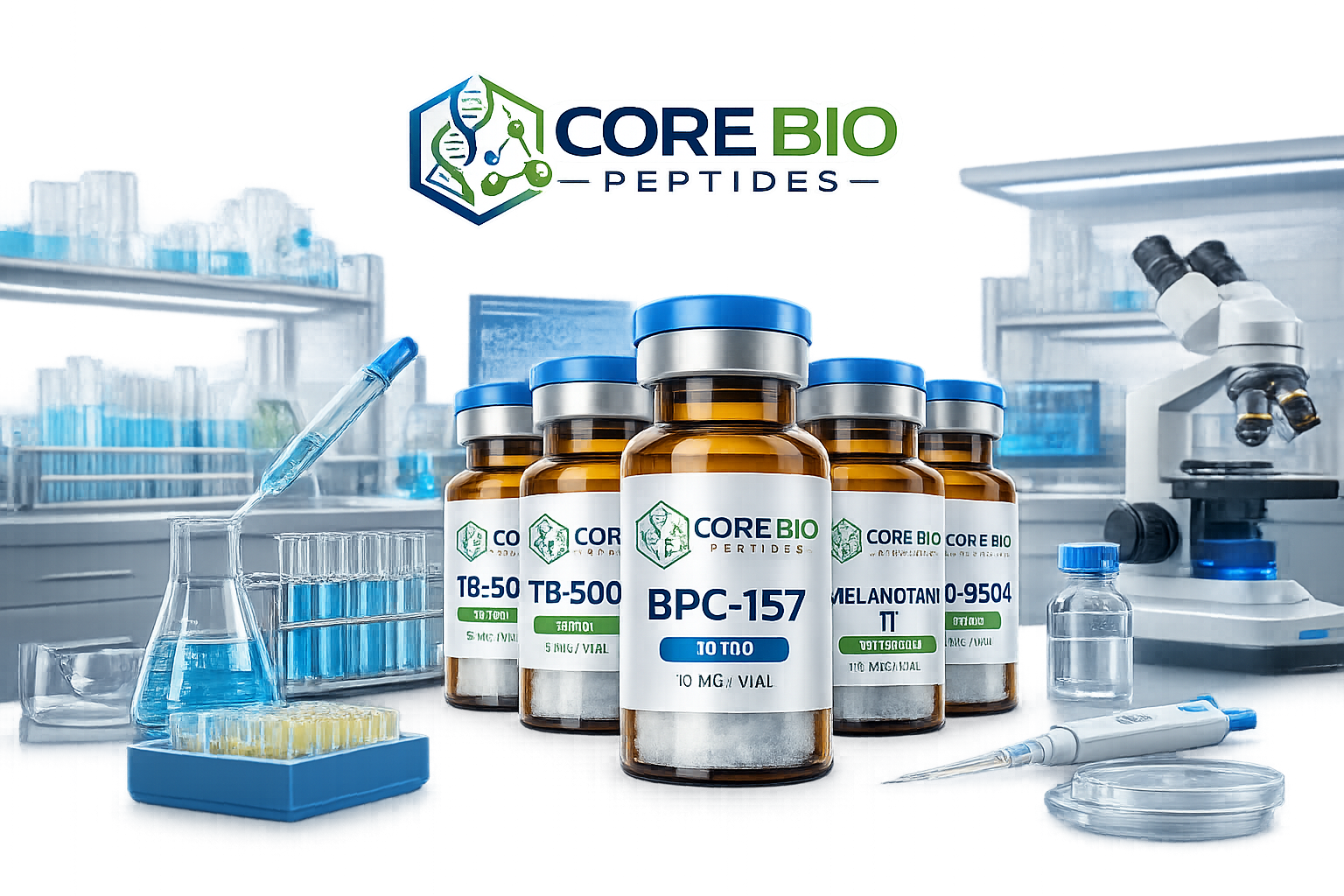
When the peptide arrives, inspect the packaging. It should be sealed and intact. Look for any signs of moisture or damage. Peptides are often lyophilized (freeze-dried) as a powder. The powder should be uniform in color and texture. If you see discoloration, clumping, or an unusual smell, that is a red flag. Do not use the batch until you have confirmed its quality with the supplier.
Some peptides are shipped as a solution or in a specific buffer. In that case, check that the solution is clear and free of particles. Any visible particles could indicate precipitation or contamination. Document the condition with photos if you plan to contact the supplier.
Reviewing the batch testing data
Batch testing data goes beyond the CoA. It includes the raw results from the analytical methods. For example, the HPLC chromatogram shows the peaks for the peptide and any impurities. The area under the main peak relative to the total area gives the purity percentage. A good chromatogram has a single, sharp main peak with minimal baseline noise.
Mass spectrometry data should show a clear peak at the expected molecular weight. If there are extra peaks, they may indicate incomplete synthesis or degradation. Look for the mass spectrum in the CoA or request it separately. Some suppliers include the spectrum as part of their standard documentation.
If you are using the peptide for quantitative work, you may also want to see the amino acid analysis or the peptide content. This tells you how much of the powder is actually peptide versus water, salts, or other residuals. The peptide content is usually expressed as a percentage. A lower peptide content means you need to adjust your weighing to get the correct amount of active peptide.
Verifying the supplier's quality practices
A supplier that values quality will have clear procedures for batch tracking, retesting, and customer support. For example, spbpeptides.bio emphasizes batch testing and high-purity standards for research peptides. When you review a supplier's documentation, look for consistency across batches. If you order the same peptide twice, the CoAs should look similar. Large variations in purity or impurity profiles can indicate inconsistent production.
Ask the supplier how often they retest their stock. Peptides stored for long periods can degrade, even under good conditions. A supplier that retests old stock and updates the CoA is more reliable than one that ships from a single production date without verification.

It is also worth checking whether the supplier uses third party testing for every batch or only for selected ones. Third party testing adds cost, so some suppliers test only a sample of batches. For critical work, you want every batch independently verified. The CoA should clearly state the testing laboratory and the date of analysis. If the lab is not named, ask for that information.
Practical steps for your own quality check
You do not need a full analytical lab to do a basic check. Simple steps can catch obvious problems. Here is a short list of checks you can do with minimal equipment:
- Weigh the vial and compare the net weight to the label. A large discrepancy suggests a packaging error or moisture absorption.
- Check the solubility of a small sample in the recommended solvent. If it does not dissolve as expected, that is a sign of degradation or wrong identity.
- Compare the appearance and texture to previous batches of the same peptide. Consistency is a good indicator of quality.
These checks are not a substitute for full analytical testing, but they give you a quick confidence check before you invest time in an experiment.
What to do when something looks off
If any part of the quality check raises a concern, pause before using the peptide. Contact the supplier with your documentation and photos. A good supplier will work with you to resolve the issue, whether that means replacing the batch or providing additional testing. Do not assume that a small impurity is harmless. In research, even trace impurities can skew results, especially in sensitive assays like cell-based studies or enzyme kinetics.
Keep a log of every batch you receive. Record the batch number, the CoA results, the date of receipt, and any observations. Over time, this log helps you spot trends. You might notice that a particular peptide consistently arrives with lower purity, or that a certain supplier has better documentation. That information guides your future purchasing decisions.
For researchers who need the highest confidence, consider sending a sample to an independent lab for verification. This is common in regulated environments or when the peptide is used in clinical research. The cost of an extra test is often small compared to the cost of repeating an experiment with compromised material.
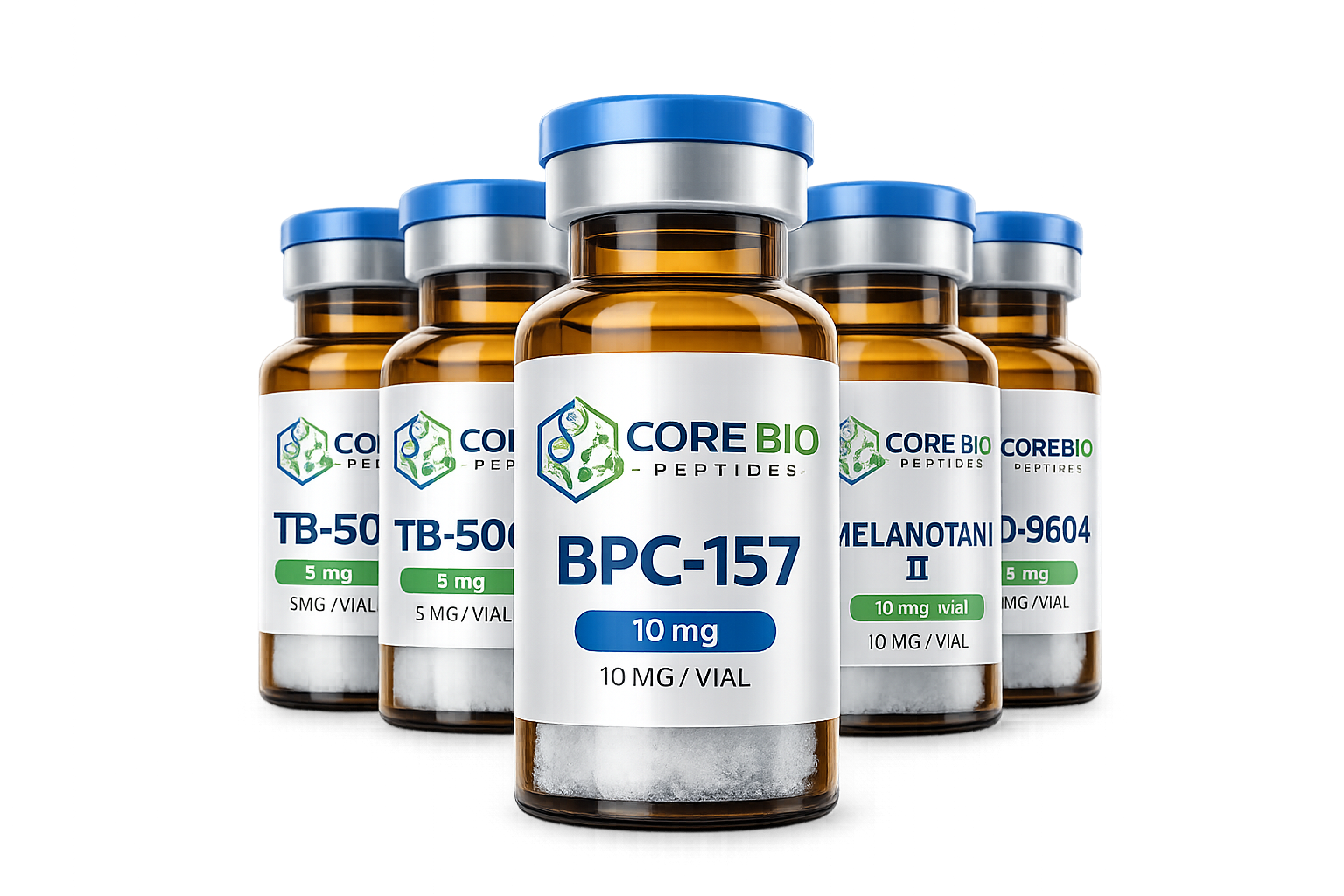
When you choose a supplier for third party tested peptides, look for one that provides full transparency. The documentation should be easy to read and complete. spbpeptides.bio is an example of a USA-based supplier that focuses on high-purity research peptides and batch testing. Their approach to quality control aligns with what serious labs expect.
Building quality into your workflow
A quality checklist is not a one-time task. It becomes part of your lab's standard operating procedure. Over time, you develop a sense of what good documentation looks like and which suppliers are reliable. The goal is to reduce the risk of a bad batch ruining your work. With a clear checklist and consistent practice, you can use third party tested peptides with confidence.
Remember that quality control is a shared responsibility. The supplier provides the data and the product. You verify that data and handle the peptide correctly once it arrives. Both sides need to be diligent. By following a practical checklist, you protect your research and your time.